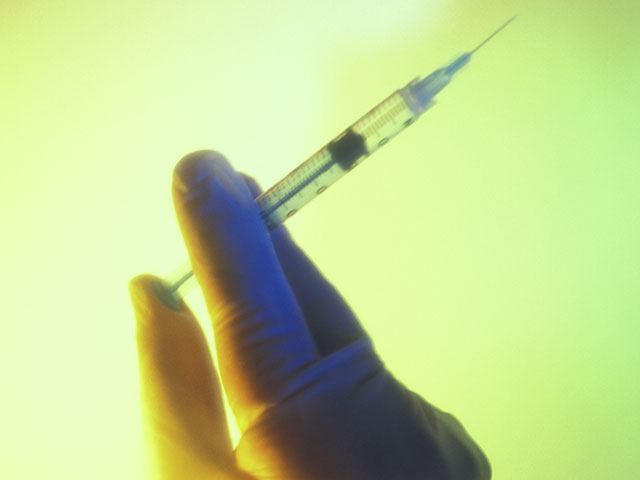
Scroll any Seoul skincare TikTok and you'll spot it: the "brightening IV drip," glowing bags hooked up next to vitamin C boosters in Gangnam clinics, priced like a facial.
But before you book one on your next trip, here's the question worth asking — is this actually FDA-approved, and what happens to your kidneys if it isn't?
Why the FDA Has Never Approved This 'Glow Shot'
Here's the thing about that glow-boosting drip in Gangnam: the FDA has never approved any injectable glutathione product for skin lightening. Every clinic offering it in the US is technically working off-label .
That gap matters. A 2019 FDA MedWatch review found seven patients had adverse events after IV glutathione, including one hospitalized with dangerously low blood pressure and breathing trouble .
⚠️ Regulators warn injectable glutathione carries risk of liver, kidney, and nervous-system toxicity, plus Stevens-Johnson syndrome, a rare but life-threatening skin reaction.
A 2026 systematic review found no solid evidence IV glutathione lightens skin at all. FDA-approved topical options like hydroquinone exist for pigmentation — the injectable version doesn't.
The Real Risks: Kidney Strain, Allergic Reactions, Unregulated Dosing
FDA testing found dietary-grade glutathione powder in injectables carried excessive bacterial endotoxin — a risk from fever to death .
Side effects include nausea, chills, abdominal pain, allergic reactions, and kidney dysfunction . One RealSelf reviewer's skin lightened, but with thigh pain and Stevens-Johnson worry .
Dr. Ronald V. DeMars told RealSelf glutathione "carries risk, no proven benefit." Dosing isn't standardized clinic to clinic — that gap is part of the risk .
Why Every Seoul Clinic Bundles It as a 'Glow' Add-On
Seoul clinics stack glutathione with a vitamin C IV push as a $100–200 add-on to facials .
| Item | US | Seoul |
|---|---|---|
| Price | $200–400 | $100–200 |
| Time | 30–60 min | 30–60 min |
| Rounds | 5–12 | 5–12 |
| Downtime | None | None |
| Longevity | 4–6 wks | 4–6 wks |
Sessions run 30–60 minutes, with 5–12 rounds recommended once or twice weekly.
Effects fade, so upkeep means visits every 4–6 weeks — the combo even comes in ampoule form, like Dr.ROSA's $21.99 GlutanaC .
Reputable Protocol vs. Black-Market Drip — and Is Oral Glutathione the Smarter Bet?
The FDA has been blunt here: injectable skin lighteners sold online, in retail spas, or anywhere outside a licensed medical setting are unapproved drugs that may carry unknown contaminants .
A reputable protocol looks different — a licensed physician administering pharmaceutical-grade glutathione (not the dietary-supplement kind), with real documentation that you understand it's an off-label, unproven use .
Skip anything billed as an at-home drip or vague on where the bag actually comes from — that's the biggest red flag .
Honestly, oral glutathione and topical antioxidants like vitamin C and niacinamide have more consistent safety data, even if brightening shows up gradually . Dermatologists' bottom line: talk to a US-licensed provider before IV, and treat topicals as the evidence-backed default.
The FDA has never approved glutathione injections for skin lightening, only issued warnings about their risks.
FDA logged seven 2019 adverse cases, one hospitalized, plus risks of kidney, liver, and Stevens-Johnson syndrome.
Legit Seoul clinics use licensed staff and pharmaceutical-grade glutathione — skip cheap, unregulated powder sold online.
Not really — oral glutathione has poor absorption, so most dermatologists suggest vitamin C or niacinamide serums instead.