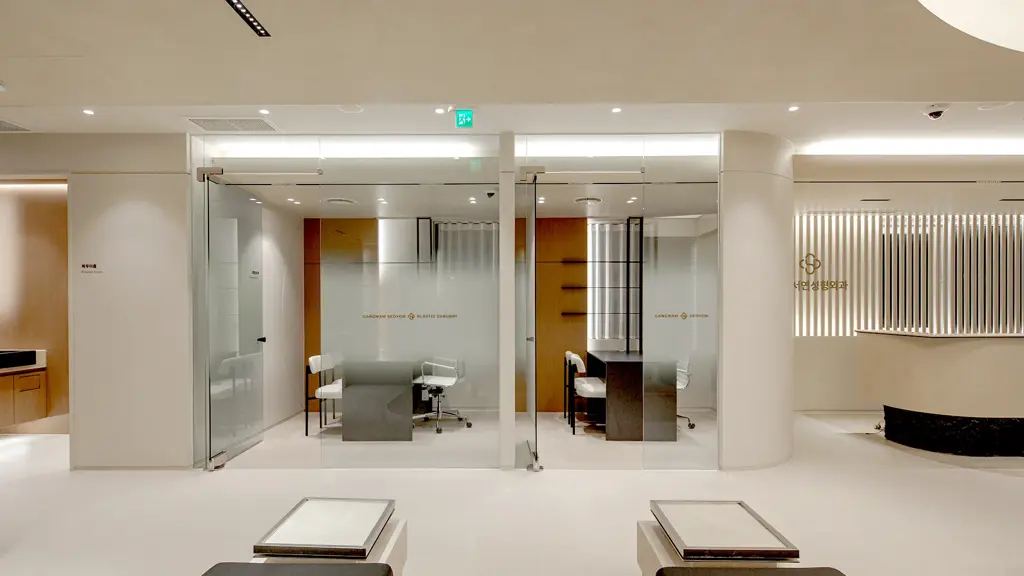
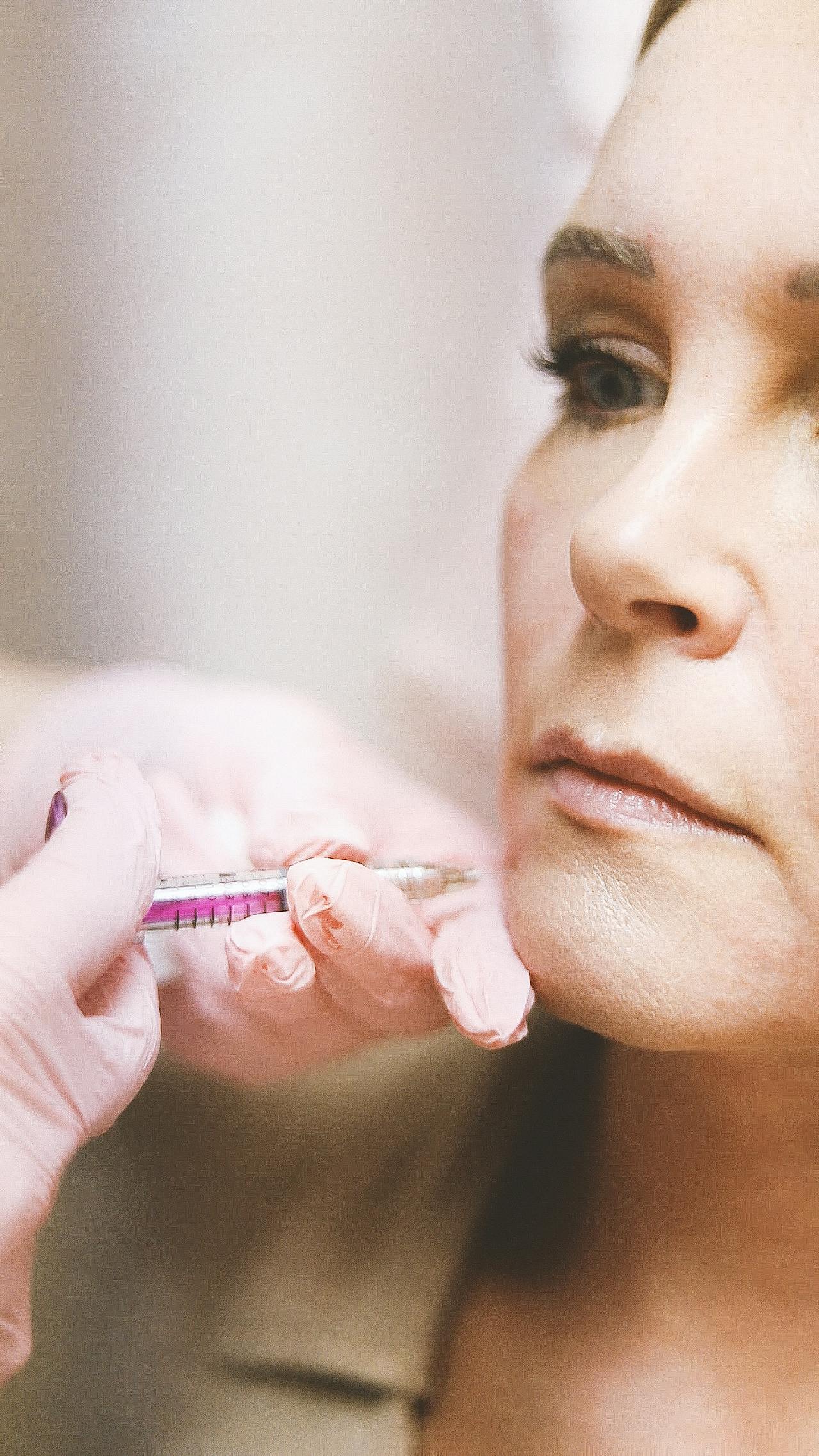
Concealer stopped keeping up. Filler helped — briefly. Now those under-eye bags are sending a different message, and surgery might actually be the answer.
Here's the real story on Seoul lower bleph: what it costs, how long you'll actually be out, and whether the 14-hour flight makes financial sense for you.
When Filler Stops Being Enough
Not every under-eye issue calls for the same fix. A hollow trough is a volume problem — filler genuinely works here. Fat pads physically bulging forward are structural; no syringe will flatten them .
Seoul tear trough filler runs $300–$700 a session versus $700–$1,500 stateside . With touch-ups every 6–12 months, five years of filler adds up to $1,500–$3,500 in Seoul — and the result is still temporary.
Repeated periorbital filler carries cumulative risks: Tyndall effect (a bluish tint under thin skin), migration, and tissue pressure. Board-certified oculoplastic surgeons flag these warning signs — puffiness rebounding before the next session, skin starting to crêpe, or the lid-cheek junction losing definition regardless of how much volume is added .
💡 Many Seoul surgeons offer combined video consults for injectables and surgery — and will say filler first when that's genuinely the right answer .
Seoul vs. US Pricing: What Each Actually Covers
Stateside, surgeon fees for lower bleph average $3,876 — before anesthesia or facility costs. In LA, the all-in total hits $8,026 on average.
| Item | US (LA avg) | Seoul Gangnam (Pick) |
|---|---|---|
| All-in price | $5,000–$10,000 | $800–$1,500 |
| Follow-ups | Billed separately | Included |
| Dominant technique | Subciliary (external cut) | Transconjunctival (no scar) |
| Ectropion rate | 12.9% | 1.5% |
| Round-trip flight | — | ~$1,000–$1,400 |
| 10 nights accommodation | — | ~$800–$1,500 |
| Estimated trip total | $8,026+ (surgeon only) | ~$2,600–$4,400 |
Seoul's top Gangnam clinics — AB Plastic Surgery (Dr. Song Cheon Ho, Dr. Jeong Yeon-Woo), Marble Plastic Surgery, and Banobagi (Dr. Lee Hyun-Taek) — typically bundle surgeon, anesthesia, facility, and all follow-up appointments into one quoted price.
Factor in flights and 10 nights in Seoul, and the total trip can still land below what a US surgeon charges solo.
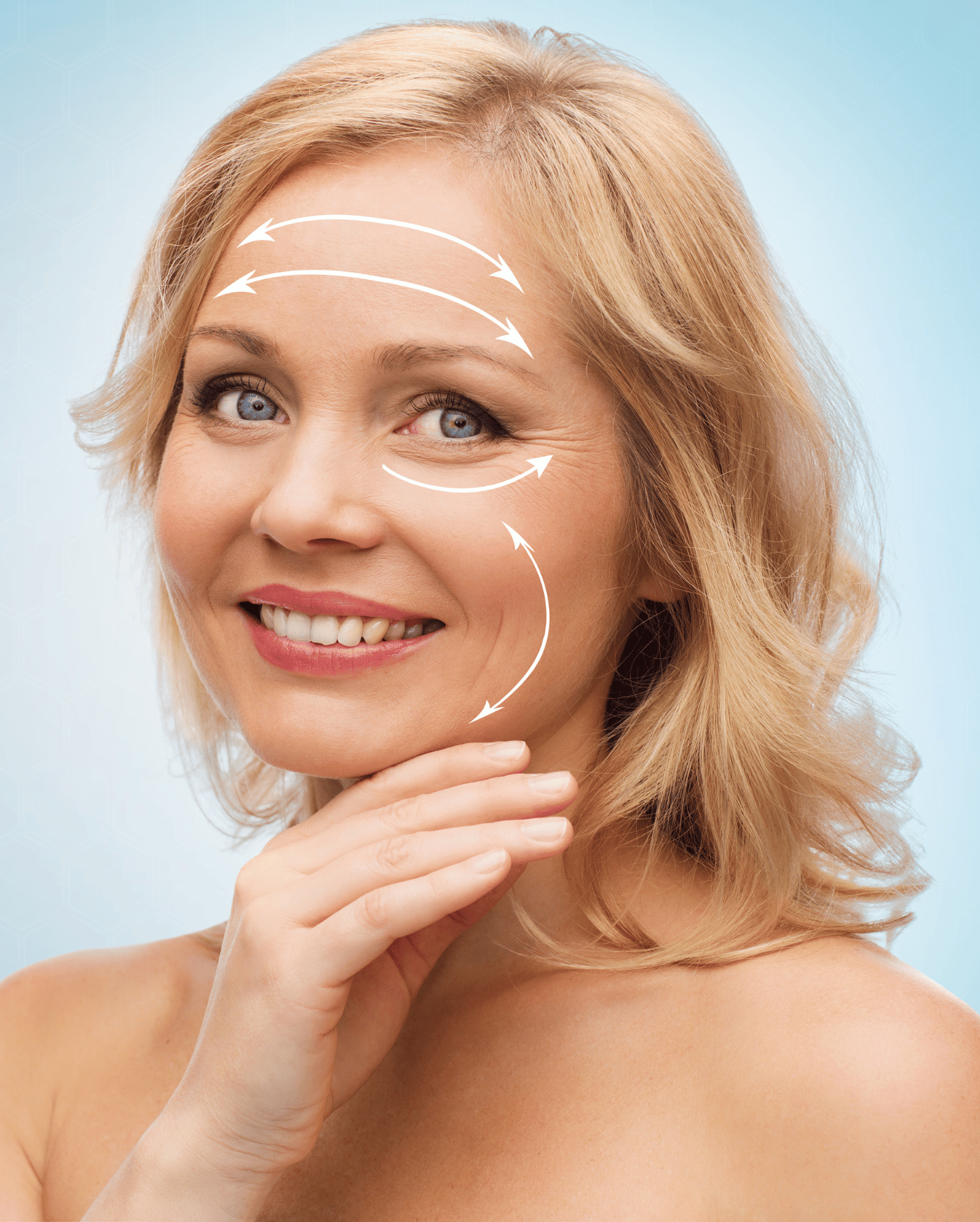
Your Recovery Calendar: Don't Book That Early Flight
Pin this to your notes app before you book that return ticket.
About 1–2 hours under local anesthesia with IV sedation; most patients walk out the same day .
Peak swelling and bruising — expect to look rough. Cold compresses and sleeping with your head elevated help; skip the gym entirely.
Stitches come out, bruising fades to concealable. RealSelf reviewers consistently describe this as the "turn the corner" moment .
Wait at least 7 days post-op. Cabin pressure and low humidity raise swelling and infection risk during that first week .
Residual swelling resolves over 3–6 months; results typically last 10–15 years before a touch-up is even on the table.
Build at least 10 days into your Seoul itinerary — that buffer is the whole point.
How to Vet a Seoul Clinic Before You Book
Korea's board credential is KSPS (Korean Society of Plastic and Reconstructive Surgeons) — always ask about the actual operating surgeon's certifications, not just the clinic's headline name.
⚠️ Ask in writing who will be in the OR start-to-finish. The "shadow doctor" problem — a named surgeon takes consults while others do the actual procedure — is a documented risk .
From home, prioritize RealSelf photo timelines from international patients, test WhatsApp response speed, and request a written price breakdown before any deposit.
Dr. Jeong Yeon-Woo at AB Plastic Surgery earns consistent praise for natural results and fast post-op replies . At least one patient flagged a rushed consult and complications at a different Gangnam clinic — cross-reference at least three sources before committing.
Reputable Seoul clinics pull stitches by day 5–7 before you board, then handle remote follow-up via WhatsApp or email video — it’s standard protocol for foreign patients, not an afterthought.
Most all-in Seoul quotes bundle local anesthesia, OR fees, and one to two follow-up visits; anything beyond that — like laser touch-ups — is usually billed separately, so always get the line items in writing before you sign.
Day 7–10 is the standard clearance window once acute swelling has settled — most surgeons say a 12-hour long-haul is fine at that point, but get written clearance and an aisle seat to keep your head elevated.
If your under-eye area still puffs at rest right after a fresh filler session, you’re dealing with herniated fat pads — not just volume loss — and surgery becomes the cleaner, longer-lasting answer; fillers, by contrast, need re-dosing every 6–12 months.