You've seen the TikToks: women flying into Gangnam, slipping into a clinic, and walking out with glass skin after a 20-minute laser session that cost under $150.
So what's the actual science—and why does your skin tone change everything about which treatment is right for you?
The Skin-Tone Science Korean Derms Already Know
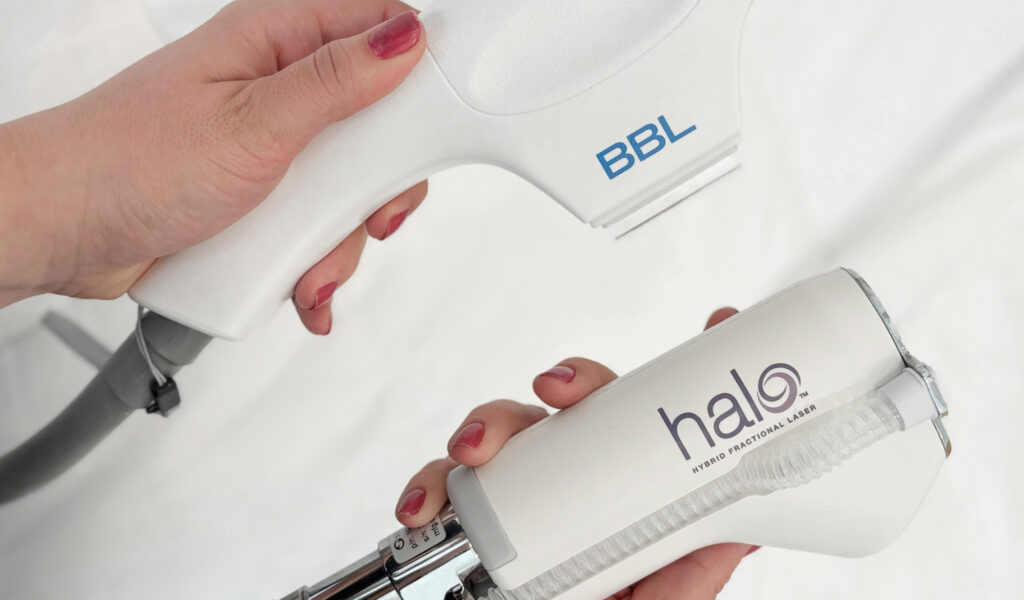
If your skin is Fitzpatrick III–V — Korean, South Asian, or Latina complexions — BBL's broadband light hits surface melanin broadly. That thermal scatter can trigger post-inflammatory hyperpigmentation rather than clear it.
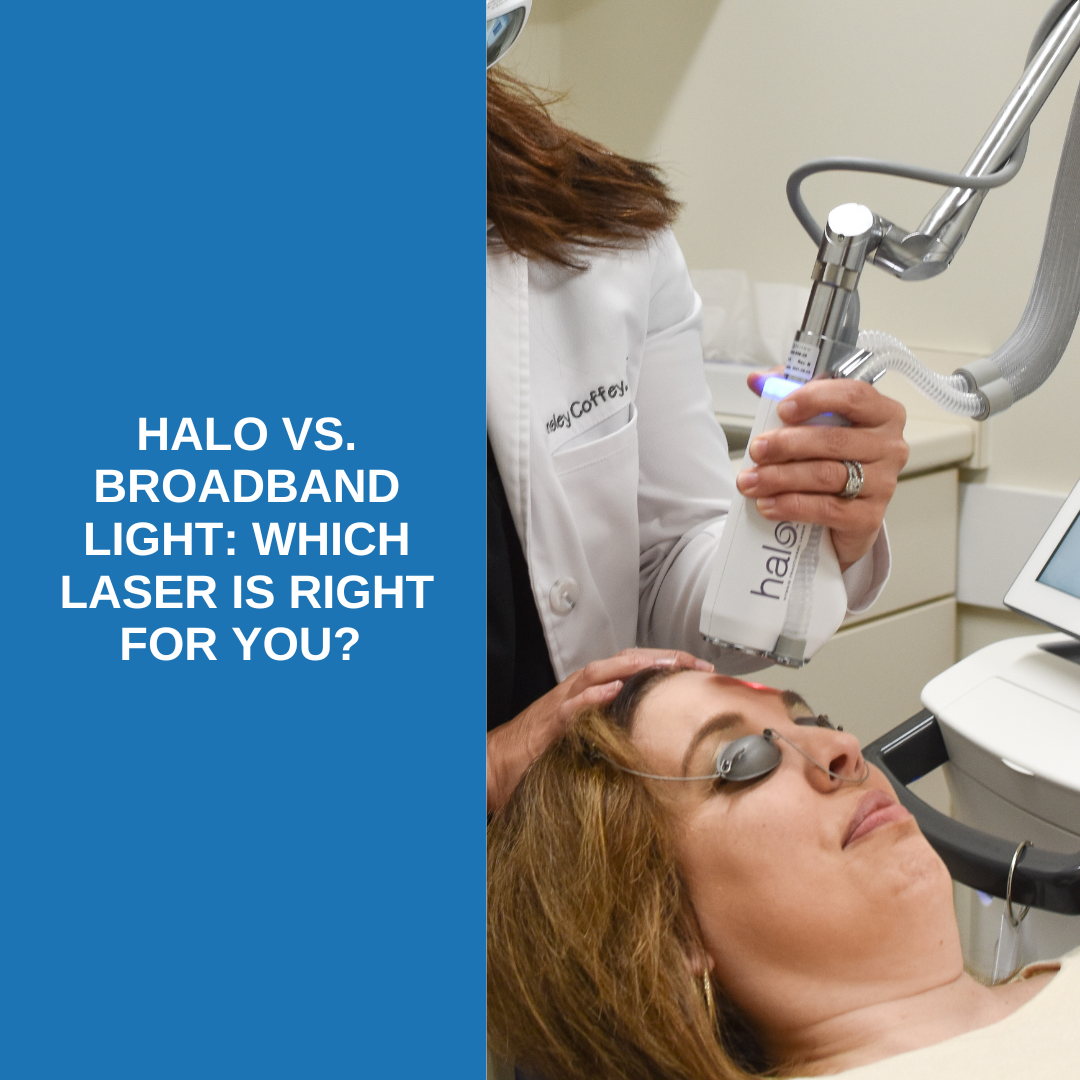
HALO's ablative-plus-non-ablative hybrid reaches deeper texture concerns, but it requires 3–5 days of social downtime and carries a steeper risk profile for deeper skin tones.
Board-certified derm Dr. Chelsea Hoffman explains pico energy is "delivered more mechanically than thermally" — meaning lower risk of pigment problems and faster healing than traditional lasers.
That mechanical action shatters pigment into microscopic particles the lymphatic system can quietly clear — with no bulk heating of surrounding tissue and a redness window of just 24–48 hours.
The Price Gap Is Real: Seoul $200 vs. US Medspa $800
At major Gangnam clinics, pico sessions run ₩80,000–200,000 ($59–$148) . Clinics recommend 4–6 sessions every 2–4 weeks.
In the US, BBL averages $400/session, HALO $1,500, and medspa pico runs $400–$800 . Korean makers Lutronic and Wontech keep domestic costs low; Gangnam's clinic density drives per-session fees down further.
A five-session Seoul package totals $450–$1,100 versus $2,000–$4,000 stateside — a gap that survives economy airfare and hotel nights. Run those numbers before your next medspa visit.
Device Scorecard: PicoPlus, PicoWay, PicoSure — Reading the FDA Fine Print
Four devices dominate the pico-laser conversation right now — and two of them are actually Korean. Before you assume "American brand = safer choice," here's what the FDA paperwork genuinely shows.
| Device | PicoWay (Candela, USA) | PICOPLUS (Lutronic, Korea) ★ Seoul Pick |
|---|---|---|
| Origin | USA | Korea |
| FDA Status | Cleared — melasma, lentigines, Nevus of Ota | 510(k) cleared 2018 |
| Wavelengths | 532 / 785 / 1064nm | 1064nm, dual pico+nano modes |
| Peak Power | High | 1.8GW — among highest in class |
| Best For | All skin types, acne scars (Resolve tip) | Stubborn pigment, prior Nd:YAG failures |
| Seoul Session Price | ~$54–$92 | ~$59–$148 |
PicoSure (Cynosure, USA) started the picosecond era with its 2012 FDA clearance — its 755nm wavelength still leads on superficial melanin and blue or green tattoo pigments, and the Focus Lens Array adds a skin-rejuvenation mode you'll find at most US medspas. PICOCARE (Wontech, Korea) earned FDA 510(k) clearance in 2017 and spans four wavelengths (1064 / 532 / 595 / 660nm), making it a practical all-rounder in mid-range Gangnam clinics.
Here's the part worth sharing with skeptical friends: a 510(k) clearance means a device met the same FDA safety and effectiveness standard as any American-made machine — a Seoul clinic running PICOPLUS isn't cutting corners. Practitioner skill and choosing the right wavelength for your skin tone typically move the needle far more than where the device was manufactured.
Should You Book the Seoul Flight? A Clear-Eyed Cost Check
A Seoul 6-session pico series ($900–$1,200) plus economy airfare ($800–$1,100) and three nights' accommodation ($300–$500) often undercuts a comparable US package ($2,400–$4,800) by $400–$1,600 . Real savings — not just marketing math.
Downtime logistics work in your favor too. Pico's 1–3 day redness window keeps a long weekend viable: schedule treatment on arrival day and you're ready to explore by day three . HALO's up-to-10-day social downtime makes the same itinerary impossible.
The honest variable is maintenance. Seoul derms typically recommend monthly pico toning top-ups for melasma management, so factor in whether you can return annually or find a US clinic running the same protocol and wavelength . Either way, skip peak UV months — Seoul's index spikes July through August and sun exposure can reactivate melasma within weeks of treatment.
💡 Before leaving the clinic, request a printed treatment summary listing device model, wavelength, fluence, and spot size — your US dermatologist needs those exact parameters to continue your protocol without starting over.
BBL's heat-based intense pulsed light carries a real post-inflammatory hyperpigmentation risk for Fitzpatrick III–IV skin — dermatologists consistently flag it as higher-risk for olive and medium-dark complexions, and it's not a small caveat . Pico laser sidesteps the problem because its energy is delivered mechanically rather than thermally, meaning dramatically less heat in the dermis and a much lower chance of triggering new dark spots where you were trying to erase them.
Ask the clinic to pull up the device's FDA 510(k) clearance number before you book — any reputable Gangnam practice will have it printed or on file without hesitation . Korean-manufactured devices like PICOPLUS (Lutronic, cleared 2018) and PICOCARE (Wontech, cleared 2017) both hold valid US clearances alongside American-made PicoSure and PicoWay; if a clinic goes vague or defensive about documentation, that's your cue to walk.
Yes — pico protocols transfer across devices well, so a US board-certified dermatologist can pick up your series as long as you travel home with your Seoul treatment notes: wavelength used, fluence settings, and sessions completed . It's also a savvy budget move — Seoul sessions run $59–$148 each versus $300–$500 stateside , so front-loading four or five sessions abroad and finishing the final one or two at home stretches your dollar without breaking continuity of care.
Here's the part no one loves to hear: pico laser manages melasma rather than cures it, because melasma is a chronic, hormonally driven condition that doesn't care how good your laser was . Results realistically hold 6–12 months with diligent daily SPF 50+ use — skip that step and pigment can start creeping back within weeks; most Seoul dermatologists build in monthly low-energy Genesis toning maintenance sessions after the initial four-to-six-session series specifically to slow that recurrence clock.