You've seen the before-and-afters: a fuller jaw quietly transformed into something softer, sharper, more K-drama. That's masseter Botox — and it actually works.
But if you're weighing Seoul against your local med spa, the answer comes down to technique, dosing, and who's holding the syringe.
Why Korean Injectors See the Jaw Differently
Ask a Seoul injector about jaw slimming, and the conversation quickly expands to your whole face. Korean aesthetic philosophy — 안면윤곽 — treats forehead, midface, and chin as one unified system, not a set of isolated muscles.
Seoul providers often pair masseter injections with chin filler in the same session for a true V-line result . US med spas typically treat each zone separately — effective, but less holistic in outcome.
Multi-depth injections targeting the muscle body and lower third reduce the "masseter bulge" that partial treatment can cause . Korean surgeons refine this through far higher annual procedure volumes than US counterparts — a repetition advantage that quietly shows in the results .
Dosing is still individual: Dr. Y. Claire Chang typically uses 50 to 60 total units, reflecting how much muscle size varies from person to person.
Seoul vs. Your Med Spa: The Honest Price Breakdown
US injectors charge $750–$1,000 per session , and NYC or LA providers often reach $1,500. Seoul runs $110–$290 — typically 3–5× less.
| Factor | US Med Spa | Seoul (Pick) |
|---|---|---|
| Price | $750–$1,500 | $110–$290 |
| FDA status | Off-label | Off-label |
| Longevity | 3–6 mo | 3–6 mo |
| Downtime | None | None |
| Credential | Board-cert MD | KSPS member |
Airfare runs $900–$1,400 , so a standalone masseter trip rarely pencils out. Stack it with other Seoul treatments on the same visit and the savings start to compound.
Day 1 to Month 6: What Your Jawline Actually Does
Here's what nobody tells you before you walk out of the office: masseter Botox results don't arrive like a light switch. They unfold on their own timeline — and knowing that timeline is half the battle.
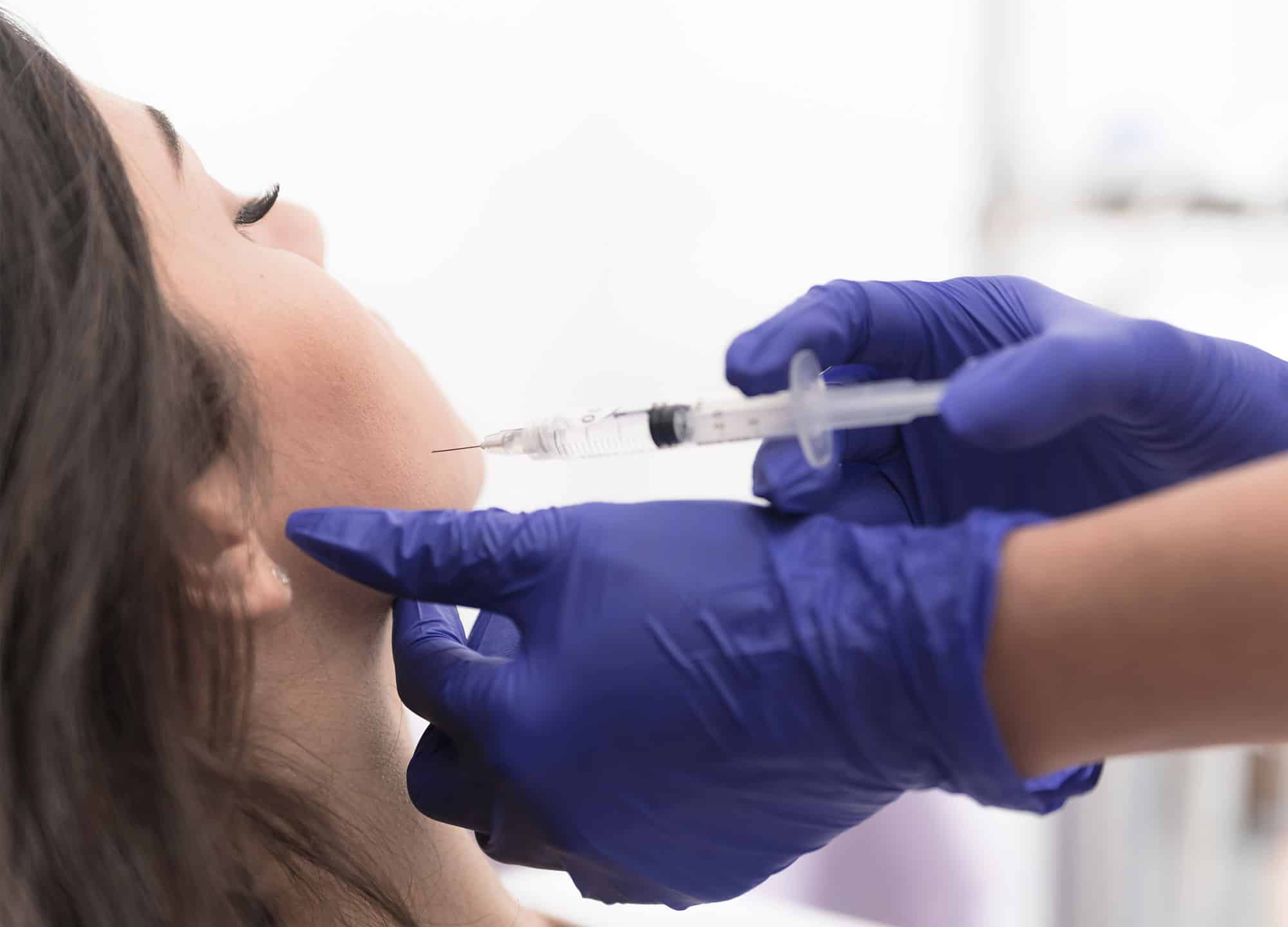
The appointment itself runs 15 to 30 minutes. Skip the gym for the next 12 hours, and resist any urge to press or rub your jaw — pressure can shift the toxin to nearby muscles and muddy your results .
Bruxism patients typically notice this phase before anything visual happens — jaw tension eases and the overnight grinding softens. Waking up without that deep morning soreness is usually the first sign it's working .
Initial narrowing shows up around the two-week mark. Dr. Edwin Kwon notes the lower face typically keeps refining until about two months post-injection — hold off on judging the outcome too soon .
Full aesthetic results land here. This is your photo-worthy window — the jaw sits at its slimmest before a gradual return slowly begins.
Effects ease off, but Dr. Umang Mehta notes many patients don't feel urgency for a touch-up until 6 to 12 months out — individual results can outlast the standard timeline .
Patients maintaining 3 to 4 sessions per year over several years often show minimal masseter activity even between treatments, per Dr. Donald B. Yoo — the muscle gradually learns to stand down .
Think of this less like a one-time fix and more like a skincare routine: the patients who see the most lasting change are the ones who stay consistent, patient, and in it for the long haul.
The Risks Your Injector Should Tell You — But Might Not
The easy list first: mild bruising, soreness, and 1–2 weeks of cutting your steak into smaller pieces . Those are real — they're also where most providers stop the conversation.
What often goes unmentioned is "masseter bulge," nicknamed "gills" by patients — untreated muscle fibers that protrude outward when a provider only partially addresses the muscle . It's a technique error, not a quirk of your anatomy, and it's correctable with additional injections.
⚠️ A RealSelf reviewer described her face as having "lost all its volume and shape," skin feeling "very limp" post-treatment . This procedure changes facial structure, not just contour — and since it's off-label, there's no FDA mandate for specialized provider training. Board certification is your real safeguard here.
Patients 35 and older should specifically ask about jowling risk: as the masseter shrinks, lower-face skin with less elasticity can lose some structural support. Conservative dosing and careful patient screening significantly reduce this risk .
Most providers, including Dr. Y. Claire Chang, start at 50–60 units total — muscle mass, not ambition, sets your ceiling. Overdoing it is how you end up with an over-relaxed jaw that looks deflated, not defined.
Seoul injectors perform this procedure 5–10× more annually than most US counterparts , and that sheer volume builds a precision in placement and dosing that a generalist med spa simply can't match. It's not magic — it's reps.
Genuinely, yes. Three to four sessions per year can trigger lasting muscle atrophy , and patients who stay consistent for two-plus years often report the slimming persists well between rounds — even as the Botox itself wears off around the six-month mark.
It's rare, but real — especially after 35, when skin laxity starts to matter . The masseter provides subtle structural support, so shrinking it too aggressively can let the lower face drop. A skilled injector doses conservatively and reassesses each visit; that's the move if you're past your early 30s. Book with someone who asks about your skin elasticity before picking up the syringe.