Considering Seoul for an arm lift because the sticker price looks lower? Here’s the question that matters: what is actually included once anesthesia, garments, follow-ups, a long-haul flight, and a visible scar enter the picture?
Brachioplasty can remove loose skin; it is not interchangeable with arm lipo—and the recovery deserves more than a long weekend.
The Seoul Price Tag Is Only the Starting Point
RealSelf’s patient-reported U.S. average is $10,331, with about $5,400–$24,000 reported; ASPS lists $6,000–$10,500 in surgeon fees, not the final bill.
One Seoul clinic lists ₩2.2–₩6.6 million (about $1,600–$4,800) for brachioplasty—a clinic example, not a citywide average. Korean arm-lipo anecdotes are not a proxy for skin-removing surgery.
| Item | Seoul | U.S. local care (Pick) |
|---|---|---|
| Surgeon + VAT | Quote | Quote |
| Anesthesia + facility | Confirm | Confirm |
| Meds, sleeves, checks, scar care | Itemize | Itemize |
| Flights + lodging | Add | — |
| U.S. follow-up | Add | Included locally |
Get a written, all-in surgical quote before comparing destinations.
The Scar Trade-Off: From Armpit-Only to Elbow-Length
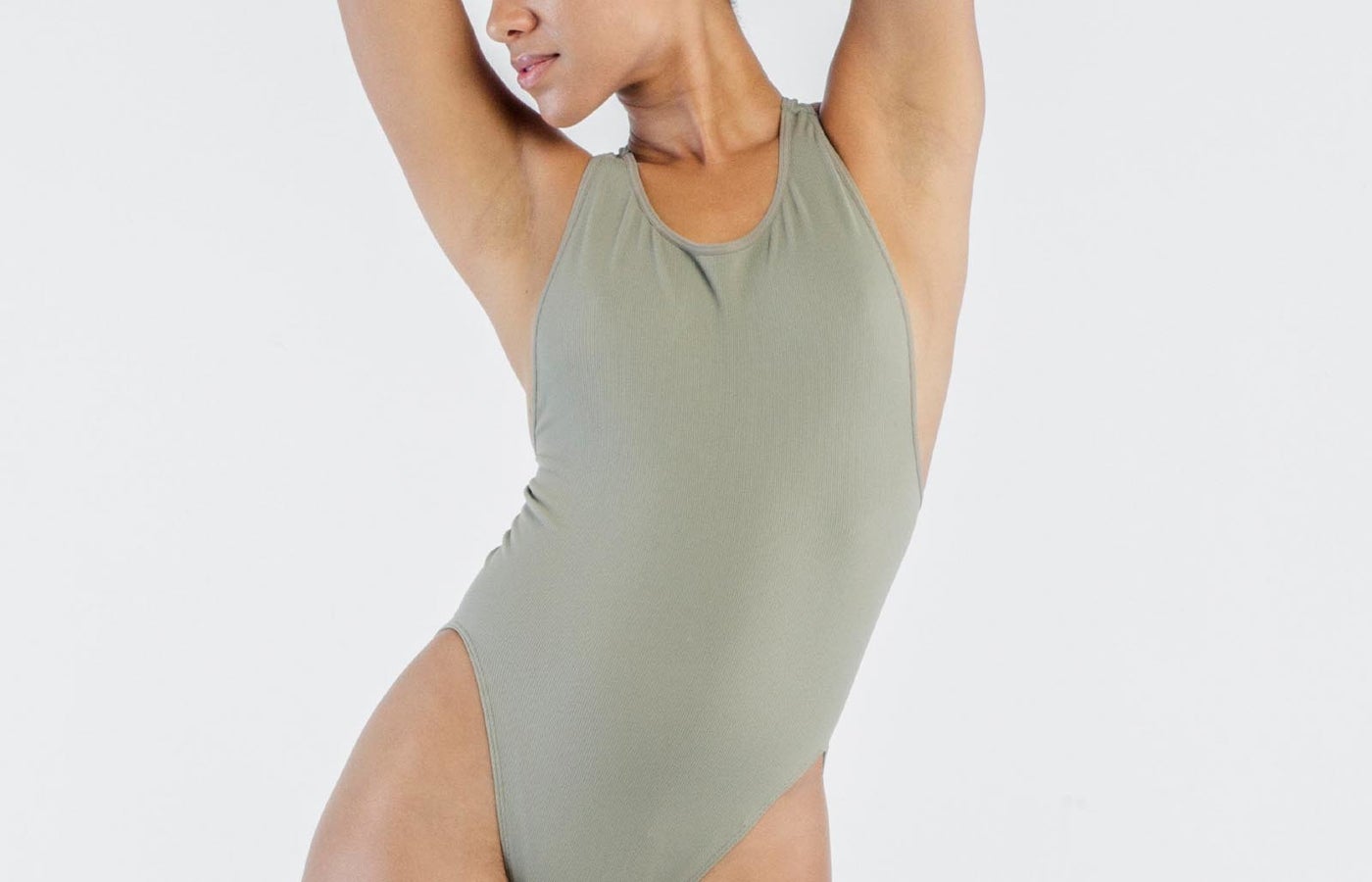
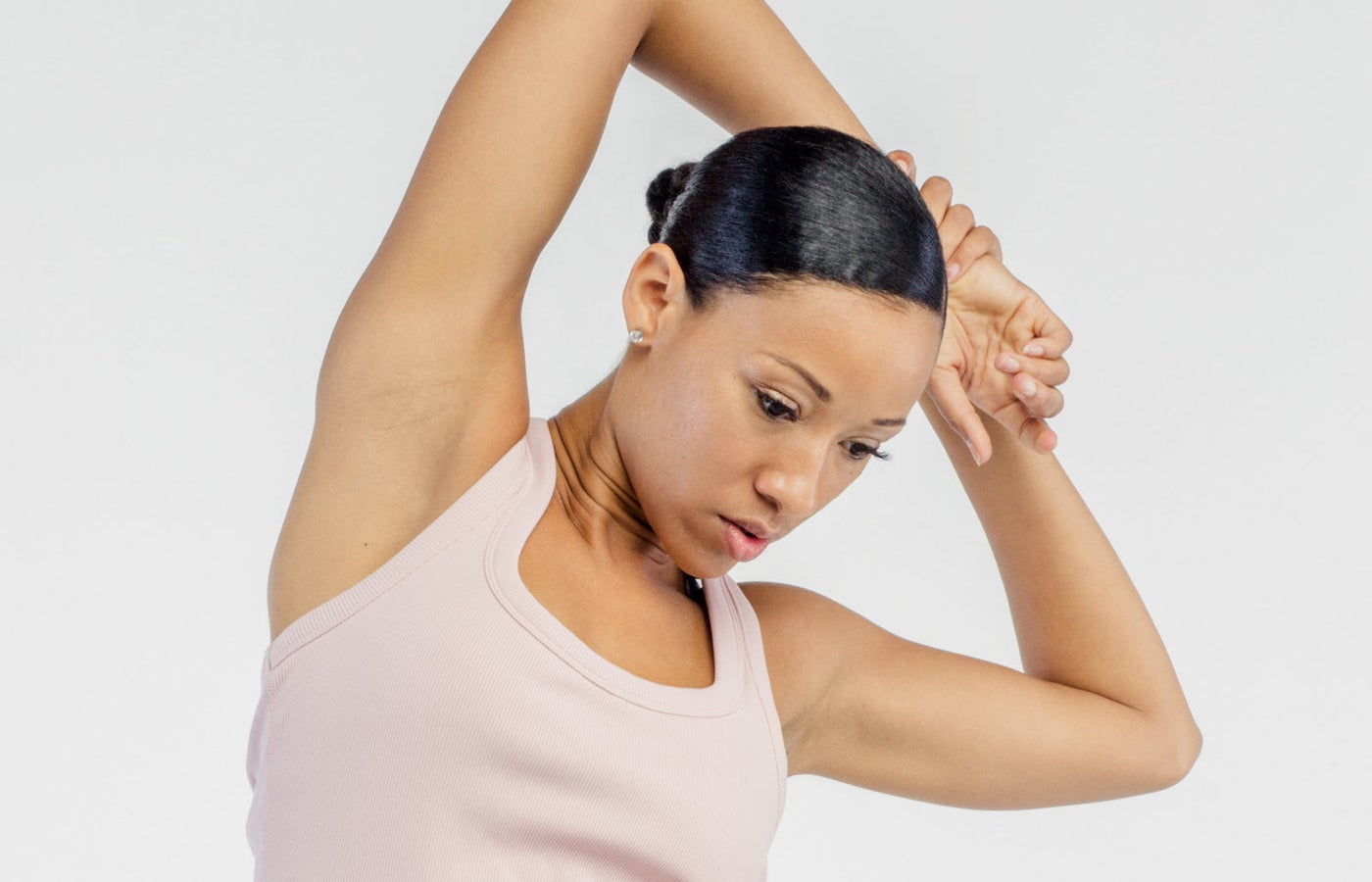
A traditional brachioplasty trades loose skin for a scar that typically runs from the armpit toward the elbow. If laxity reaches the underarm or side chest, an extended lift can continue onto the lateral chest.
A mini, or axillary, lift keeps the incision closer to the armpit, but it suits a narrow group: people with limited excess skin and good remaining elasticity. A shorter scar is appealing, but it cannot reliably address skin that hangs farther down the arm.
Scar care is part of the procedure, not an optional extra: follow your surgeon’s compression and early arm-strain limits, then use silicone only after the incision is appropriately healed and protect it diligently from sun.
Arms are in constant motion, so early scars can look red, raised, or thicker than expected. Give them about 12 months to mature—sometimes longer—before judging the final line.
At your consult, ask the operating surgeon to mark the planned scar while you are standing and explain their scar-care and revision policy.
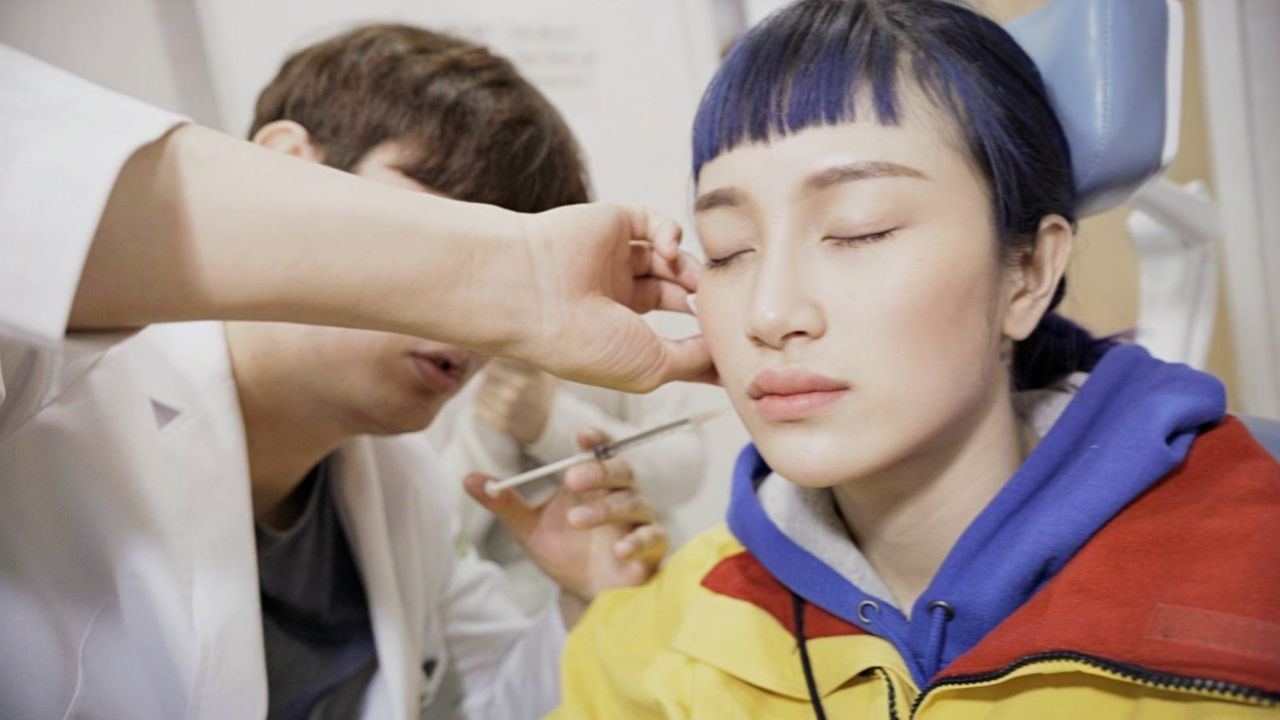
Recovery in Seoul: Plan for Follow-Ups, Not a Cosmetic Weekend
An arm lift is typically a two-to-three-hour outpatient surgery, but its recovery is not built for sightseeing. Plan roughly two weeks away from desk work and four to eight weeks before heavy lifting or hard workouts.
Compression sleeves, swelling, bruising, restricted reaching, and sometimes drains can make hotel logistics surprisingly real. Bring a travel companion or arrange help with luggage—overhead bins are not a post-op test.
One Seoul clinic advises staying 5–7 days for axillary, 7–10 for mini, 10–14 for standard, and 14–21 for extended brachioplasty. Those are planning windows, not universal rules.
⚠️ There is no universal arm-lift flight rule: surgery plus prolonged sitting can raise clot concerns. Get the operating surgeon’s travel clearance, emergency contact, and wound-care plan in writing.
Before booking, map every follow-up appointment and your flight home around your surgeon’s in-person clearance.
How to Read Arm-Lift Before-and-Afters Like an Editor
Compare the same relaxed arm pose; raised arms can disguise laxity. Check that both frames show the inner arm and any side-chest extension.
Audit lighting, distance, smoothing, compression sleeves, swelling, and the post-op date. Contour can settle over 3–6 months; scars commonly mature in about a year.
A dramatic early photo is not necessarily a durable result. Save the images and ask the clinic for this checklist before you book a consultation.
Maybe: U.S. patient-reported cost averages $10,331; compare itemized Seoul quotes after flights and garments.
Choose lipo for fat with elastic skin; a mini lift suits limited laxity; full surgery removes major loose skin.
Plan 10–14 days in Seoul for a standard lift; get surgeon clearance before a long-haul flight home.
Ask for matching angles, lighting, weight history, scar placement, and 12-month photos—not just early results.