Seoul’s veneer quotes can look dramatically lower than a U.S. smile makeover—but the per-tooth price is only the beginning.
Here’s how to compare enamel removal, lab work, bite checks, travel timing, and the care you’ll need once you’re home.
The Per-Tooth Price Isn’t the Final Price
Like for like, U.S. porcelain veneers run $1,500–$3,500 per tooth; published Seoul examples list $660 e.max and $880 zirconia. Neither is a guaranteed quote.
Dream Dental lists porcelain veneers at KRW 1,300,000 per tooth before VAT, so one Korean promotional price is not a market-wide baseline. Cosmetic veneers typically are not covered by insurance.
| Item | U.S. | Seoul (Pick) |
|---|---|---|
| Price | $12k–28k dental | $5.3k–7k dental |
| Time | Local visits | 3–5 days + buffer |
| Pain | Similar | Similar |
| Downtime | Low | Low, plus travel |
| Longevity | Case-dependent | Case-dependent |
| Risk | Nearby revisions | Remote remake |
Request a quote covering consultation, X-rays or scans, wax-up, mock-up, temporaries, lab fee, VAT, cementation, revisions, a night guard, and post-flight adjustments. For eight veneers, add flights, hotel, meals, remake nights, and a U.S. emergency visit before comparing totals.
“Minimal-Prep” Still Needs a Millimeter-by-Millimeter Conversation
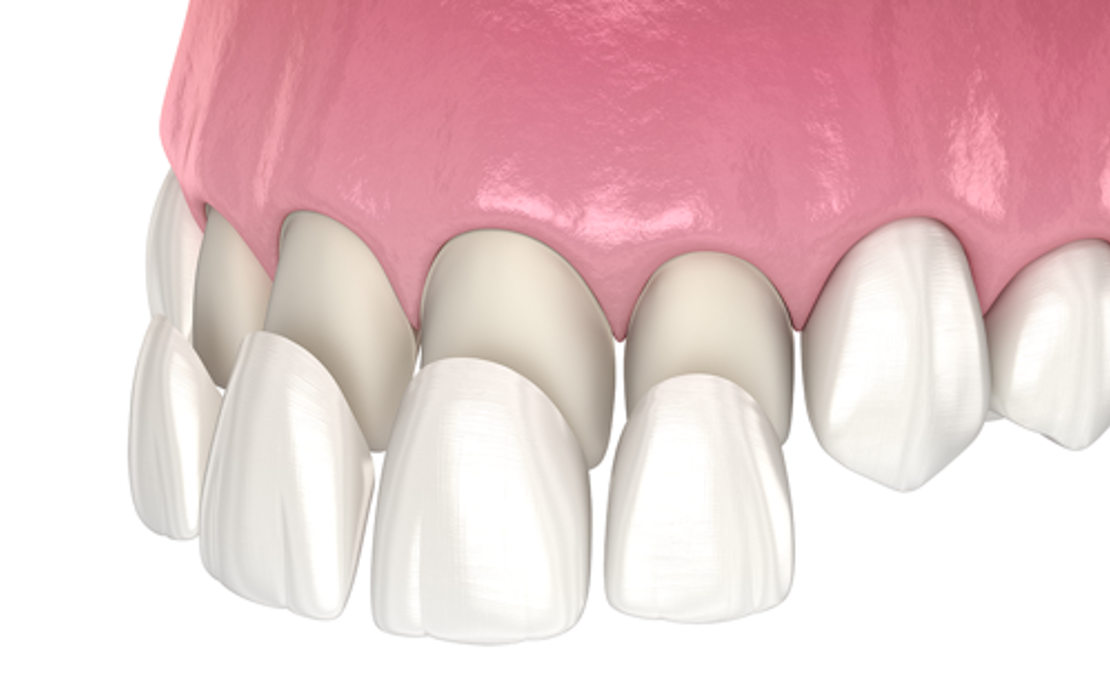
“No-prep” and “minimal-prep” describe a design approach, not a promise that every tooth stays untouched. One Seoul listing advertises reduction of 0.1 mm or less for a specific product—not every smile.
Before any irreversible work, expect a full exam of decay, gum health, enamel, tooth position, and bite. The ADA notes veneers can require enamel removal, and clinical evidence favors staying in enamel where feasible; preparation into dentin may reduce survival.
⚠️ Get the plan in writing: reduction per tooth in mm, prepared teeth, material thickness, mock-up approval, and whether bonding, whitening, or orthodontics could fit your goal.
FDA-cleared ceramic products concern specific devices, not approval of a Seoul clinic, dentist, or your outcome. Ask for the tooth-by-tooth plan before you book.
How to Read a Veneer Before-and-After Like a Skeptical Beauty Editor
A bright final smile is the least useful photo. Ask for frontal, profile, retracted, and close-up views in matching light, plus several follow-up dates—not just the day of bonding.
Same-day CAD/CAM can suit selected cases, but patient reports are not a clinical standard; many makeovers take two visits or 3–5 days. Ask where the time for bite checks and adjustments lives.
Verify the treating dentist’s full name, Korean license, and qualifications, and confirm a licensed dentist—not a “veneer tech”—does preparation and bonding. Bring the photos to an independent dentist before you book.
The Flight Home Is Part of Your Treatment Plan
A lower Seoul quote can shrink fast if a veneer needs a remake, emergency repair, or a tiny bite adjustment after you are back in the States. Sensitivity after bonding, a high contact, chips, debonding, gum irritation, and decay beneath a veneer are all realistic aftercare issues.
A 2021 systematic review reported 95.5% cumulative survival at 10 years, but survival is not a lifetime guarantee: fracture and debonding still happen.
Stay through the next day for small occlusal adjustments.
Reserve a local dentist before flying.
Request English scans, a tooth chart, material details, and remake terms.
Check Medical Korea registration and foreign-patient malpractice coverage; written cross-border aftercare beats a vague warranty.
Before booking, ask your U.S. dentist whether they can examine and service the work when you return.
Often—but tally $660–$880 per tooth, flights, VAT, scans, temporaries, and U.S. follow-up first.
Sometimes; same-day CAD/CAM is possible, but reserve 3–5 days for bite checks, adjustments, or a remake.
No-prep is not automatically reversible: ask for planned reduction; some listings cite 0.1 mm or less.
Before departure, get English scans, a tooth-by-tooth plan, material details, emergency contact, and U.S. follow-up.