You've seen the TikToks — bright, bag-free under-eyes and a price tag that seems almost too good to be true. But before you book a flight to Seoul, you probably have questions your dermatologist back home can't fully answer: How much does this actually cost once you add it all up? How long will you look like you got hit in both eyes? And will it even fix your dark circles?
I dug through real patient reviews, oculoplastic surgeon commentary, and Seoul clinic pricing to sort fact from filter.
Fat Repositioning vs. Excision: Which One Is Actually Yours?
So here's the thing nobody explains upfront: not all under-eye surgery is the same procedure. If you've got puffy fat pads but your skin still snaps back fine, surgeons typically go transconjunctival — an incision hidden inside the lower lid that leaves no visible scar. Instead of removing the fat, it redistributes it into hollow areas for a smoother transition .
If genuine skin laxity is your issue, that's a different case. Traditional excision (transcutaneous, with an external incision) can address loose skin, but Dr. Richard Baxter points out it carries a higher ectropion risk — where the lower lid pulls downward — if it's not executed carefully .
Board-certified dermatologic surgeon Dr. Cameron Chesnut sums up what a well-done lift actually accomplishes: it raises droopy lids, removes excess skin, and repositions fat to smooth both bags and hollows in one pass .
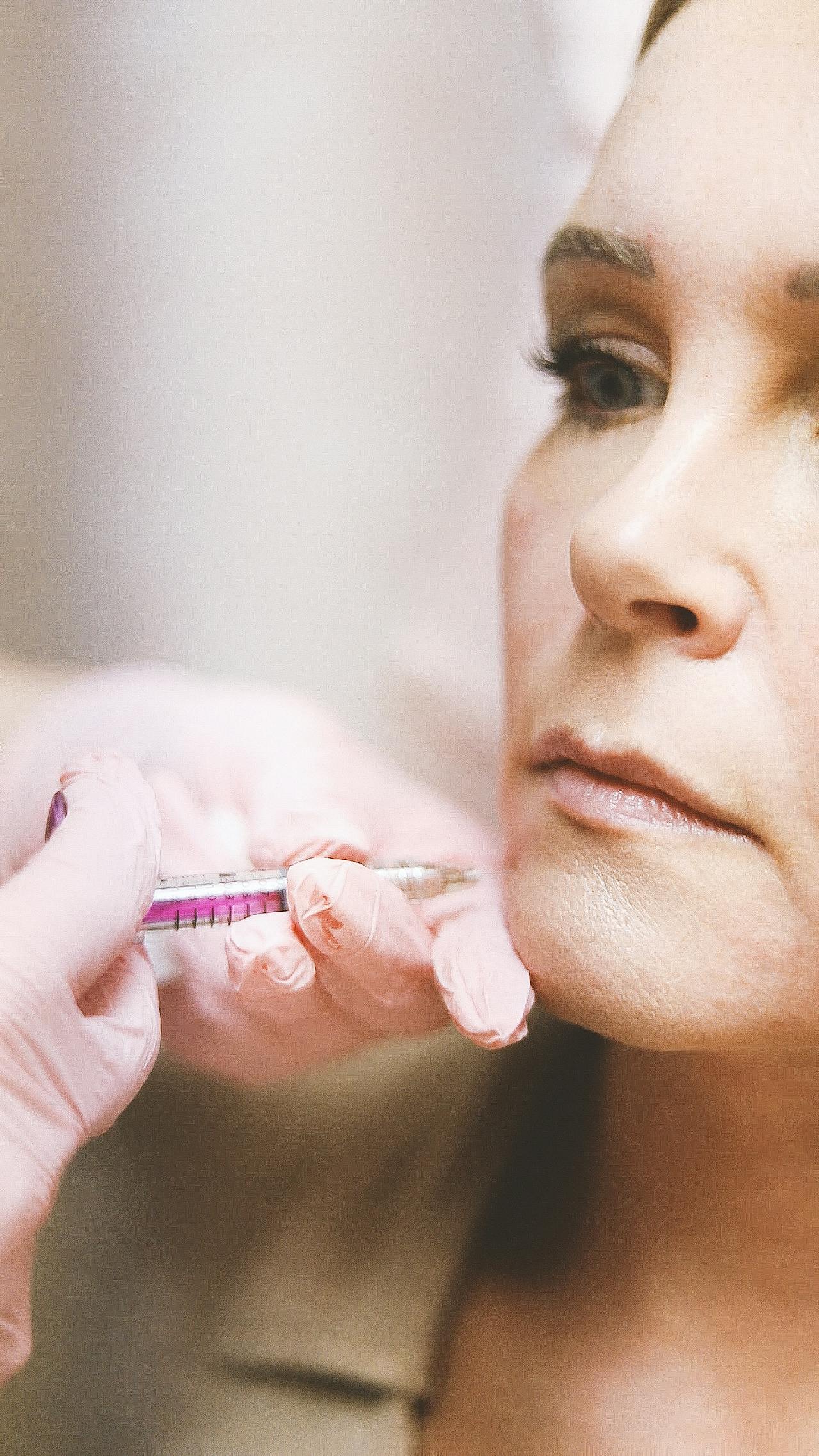
One thing worth knowing before you consult anyone: fillers aren't a substitute here. They camouflage volume loss temporarily but don't touch the actual fat pad, according to Dr. Robert J. Schwartz . Patients researching Seoul clinics like AB Plastic Surgery and Thank You Plastic Surgery often compare 5 to 10 places before booking, specifically for itemized, transparent quotes .
Bottom line: ask your consulting surgeon which technique matches your actual skin and fat situation before you commit to anything.
The Bruising Timeline: When Are You Actually Camera-Ready?
Okay, real talk: days 1 through 3 are the hardest part, hands down. Patients describe the swelling and bruising peaking around day 3, and it's often worse than they braced themselves for . If you're the type who Googles "how bad will I look" beforehand, this is your answer — pretty rough, but temporary.
The toughest stretch — expect significant puffiness and bruising.
Noticeable improvement kicks in, though some bruising lingers .
Many patients feel comfortable for light sightseeing or errands.
External-incision stitches typically come out; most read as camera-ready with concealer .
Standard Seoul protocol clears patients for the flight home.
The catch: full resolution of tightness takes 6-8 weeks, and one RealSelf patient still noticed mild hollowness at the three-month mark . Camera-ready by day 7 doesn't mean fully done — pack patience along with the concealer.
Seoul Pricing vs. US Oculoplastic Quotes: The Real Numbers
Let's talk numbers, because this is where Seoul actually pulls ahead. Transconjunctival blepharoplasty — the no-visible-scar technique that goes in through the inner eyelid — runs roughly $1,500 to $3,000 in Seoul, compared to $3,000 to $7,000 stateside, per aggregated RealSelf reviews . Zoom out to the broader eyelid/under-eye fat repositioning category and the US average lands around $6,408 .
| Item | US Clinic | Seoul Clinic |
|---|---|---|
| Price | $3,000–$7,000 | $1,500–$3,000 |
| Category avg. | $6,408 | Itemized upfront |
| Anesthesia | Often general | Local, 1–2 hrs |
| Add-ons | None typically | Flights + hotel |
| Language | English only | Multilingual coordinators |
What patients keep flagging in reviews is transparency. One Canadian patient compared 10 different clinics before booking with AB Plastic Surgery specifically because the quote was itemized with no hidden fees . That upfront clarity is honestly rarer in US consults than you'd expect.
Don't forget the add-ons that can close the price gap some: flights, a 7-10 day hotel stay, and coordinator fees add up. Clinics like VG Plastic Surgery offset this with 24/7 recovery rooms and multilingual staff covering English, Chinese, and Thai . Always ask upfront whether you're getting general or local anesthesia — it shifts both cost and how fast you bounce back.
Why This Surgery Might Not Fix Your Dark Circles
Here's the honest part nobody tells you in the consult room: fat repositioning is a volume fix, not a pigment fix. It moves or redistributes fat to smooth out that hollow, shadowy trough under your eyes — but if your dark circles come from thin, translucent skin showing the blood vessels underneath, surgery won't touch that.
One RealSelf reviewer who traveled to Seoul for the procedure put it well: at six months post-op, her dark circles were "significantly reduced," alongside a smoother, more youthful contour — but not fully gone . That's a pretty realistic outcome to hold onto.
Because of this, more Seoul surgeons are pairing the surgery with adjunct treatments — think PRF (platelet-rich fibrin) injections to improve skin quality, or PDRN-based serums post-healing to support collagen long-term. PRF uses your own blood, so it's not FDA-regulated like a filler or device would be; still worth asking any clinic what equipment and materials are FDA-cleared or KFDA-equivalent.
⚠️ In your consult, ask directly: is my dark circle structural (shadow from hollowing — surgery helps) or pigment-based (surgery won't change it)? A good surgeon should be able to tell you which one you're dealing with.
Yes, when you pick board-certified surgeons at accredited clinics; expect general or local anesthesia and 45–120 min on the table.
Repositioning suits hollow-plus-bag combos, while excision fits pure puffiness; a transconjunctival consult determines skin laxity and fat volume.
US insurance won't cover elective Seoul surgery, so budget for a stateside follow-up visit; bring records since recovery runs 6–8 weeks.
Procedure costs run roughly $1,500–$3,000 in Seoul versus $3,000–$7,000 stateside, plus flights, lodging, and an 8-day stay.